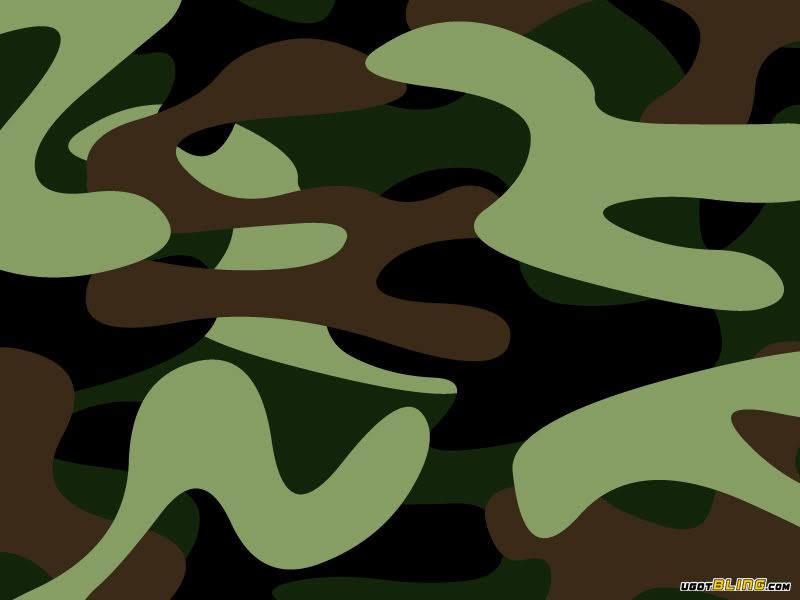
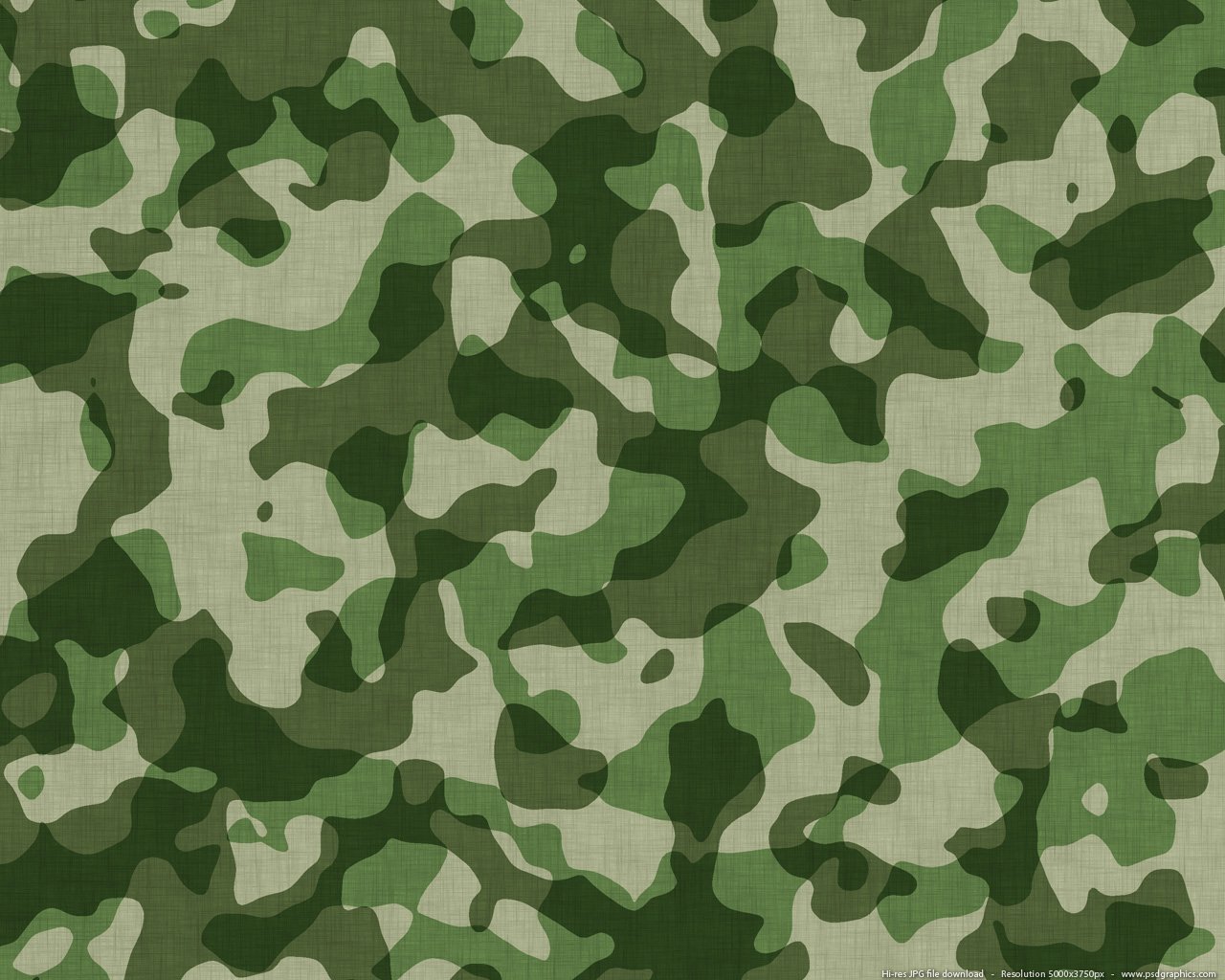
The NWU Type II, a desert digital camouflage uniform of four colors with the anchor, Constitution and eagle (ACE) logo embedded in the print, will be worn by special warfare operators and Sailors who support them during deployment and deployment training exercises. Rest of the sailors shall continue to wear the current 3-color desert camouflage utility uniform in desert environments when issued by authorizing commands. The NWU Type III, is a woodland digital camouflage uniform which also has four colors and the ACE logo embedded in the print. It will be the standard camouflage uniform worn in non-desert environments and stateside.
None listed.
Shiite Muslims Hezbollah militants
Currently by US Air Force, US Navy, US Coast Guard, Civil Air Patrol, United States Naval Sea Cadet Corps, US Public Health Service, State Defense Forces, Junior Reserve Officer Training Corps, LAPD SWAT, other law enforcement agencies
(uses DCU-like uniforms in 2011)
Friday, October 28, 2011
Plant Flower Dictionary
Prof. Chandra Prakash Kala, a botanist deputed by the Wildlife Institute of India, carried out a research study on the floristics and conservation of the valley for a decade starting in 1993. He made an inventory of 520 alpine plants exclusively growing in this national park and authored two important books - "The Valley of Flowers - Myth and Reality" and "Ecology and Conservation of the Valley of Flowers National Park, Garhwal Himalaya'.
Ajanta Caves · Champaner-Pavagadh Archaeological Park · Chhatrapati Shivaji Terminus · Churches and convents of Goa · Elephanta Caves · Ellora Caves · Jantar Mantar
The place had disappeared from the tourist map due to its inaccessible approach but in 1931 Frank S. Smythe a British mountaineer lost his way while returning from a successful expedition to Mt.Kamet and happened upon this valley which was full of flowers. He was so attracted towards the beauty of the place he named it the "Valley of Flowers". He authored a book called "The Valley of Flowers" which unveiled the beauty and floral splendours of the valley and thus threw open the doors of this verdant jewel to nature-enthusiasts all over the world.
Agra Fort · Buddhist Monuments at Sanchi · Fatehpur Sikri · Humayun's Tomb · Keoladeo National Park · Khajuraho Group of Monuments · Mountain Railways of India (Kalka-Shimla Railway)1 · Nanda Devi and Valley of Flowers National Parks · Qutub Minar and its Monuments · The Red Fort complex · Rock Shelters of Bhimbetka · Taj Mahal
Great Living Chola Temples at Thanjavur, Gangaikonda Cholapuram and Darasuram · Group of Monuments at Hampi · Group of Monuments at Mahabalipuram · Group of Monuments at Pattadakal · Mountain Railways of India (Nilgiri Mountain Railway)1
Ajanta Caves · Champaner-Pavagadh Archaeological Park · Chhatrapati Shivaji Terminus · Churches and convents of Goa · Elephanta Caves · Ellora Caves · Jantar Mantar
The place had disappeared from the tourist map due to its inaccessible approach but in 1931 Frank S. Smythe a British mountaineer lost his way while returning from a successful expedition to Mt.Kamet and happened upon this valley which was full of flowers. He was so attracted towards the beauty of the place he named it the "Valley of Flowers". He authored a book called "The Valley of Flowers" which unveiled the beauty and floral splendours of the valley and thus threw open the doors of this verdant jewel to nature-enthusiasts all over the world.
Agra Fort · Buddhist Monuments at Sanchi · Fatehpur Sikri · Humayun's Tomb · Keoladeo National Park · Khajuraho Group of Monuments · Mountain Railways of India (Kalka-Shimla Railway)1 · Nanda Devi and Valley of Flowers National Parks · Qutub Minar and its Monuments · The Red Fort complex · Rock Shelters of Bhimbetka · Taj Mahal
Great Living Chola Temples at Thanjavur, Gangaikonda Cholapuram and Darasuram · Group of Monuments at Hampi · Group of Monuments at Mahabalipuram · Group of Monuments at Pattadakal · Mountain Railways of India (Nilgiri Mountain Railway)1
Thursday, October 27, 2011
Y8 Avatar Game
Subscribe to:
Posts (Atom)